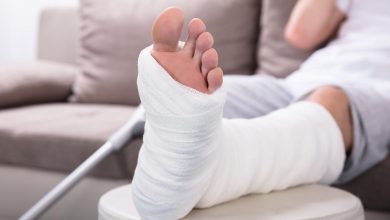
Documenting evidence after an injury is one of the most important steps a person can take to protect their legal rights. Whether the injury results from a vehicle collision, workplace incident, slip and fall, or another unexpected event, properly preserved evidence helps establish what happened, who may be responsible, and how the injury affected daily life.
Strong documentation supports insurance claims, settlement negotiations, and potential court proceedings. Without reliable records, it becomes harder to prove the severity of injuries or the circumstances surrounding the incident. Understanding how to collect and organize evidence immediately after an injury can make a meaningful difference in the outcome of a claim.
Why Evidence Documentation Matters After an Injury
In personal injury cases, the burden of proof generally rests on the injured party. This means the person seeking compensation must show that another party’s actions contributed to the injury and that measurable losses resulted.
Evidence documentation helps:
- establish how the incident occurred
- identify responsible parties
- confirm the extent of injuries
- demonstrate financial losses
- support insurance claims
- strengthen legal arguments if litigation becomes necessary
Early documentation often carries more credibility than records created long after the incident.
Seek Immediate Medical Attention and Preserve Medical Records
Medical documentation is one of the most persuasive forms of evidence following an injury. Seeking prompt medical care protects both health and legal interests.
Important medical records to preserve include:
- emergency room reports
- physician evaluations
- diagnostic imaging results
- prescription information
- treatment plans
- physical therapy notes
- specialist referrals
- follow-up appointment summaries
Prompt treatment helps create a clear timeline linking the injury to the incident.
Photograph the Scene as Soon as Possible
Visual evidence helps capture conditions that may change quickly after an accident. Taking photographs immediately preserves details that may later become difficult to verify.
Important photographs may include:
- location of the incident
- surrounding environment
- hazards that contributed to the injury
- property damage
- weather conditions
- lighting conditions
- visible injuries
Multiple angles provide a more complete record of the scene.
Photographs often become valuable supporting evidence during insurance evaluations.
Document Visible Injuries Over Time
Injuries may evolve during recovery. Bruising, swelling, and mobility limitations sometimes become more noticeable after the initial incident.
Maintaining a photographic timeline helps demonstrate:
- progression of symptoms
- severity of physical harm
- duration of recovery
- effectiveness of treatment
Consistent documentation strengthens claims related to pain, suffering, and long-term effects.
Collect Contact Information From Witnesses
Witness statements can support an injured person’s description of how an incident occurred. Independent observations often carry strong credibility.
Important information to collect includes:
- names of witnesses
- phone numbers
- email addresses
- brief descriptions of what they observed
Witness testimony can clarify disputed facts and reinforce claims about liability.
Obtain Official Reports When Available
Many injury incidents result in official documentation prepared by authorities or property managers. These reports often provide objective summaries of events.
Examples include:
- police accident reports
- workplace incident reports
- property owner incident logs
- security personnel statements
Requesting copies of these reports helps preserve important details for later use.
Preserve Physical Evidence Related to the Injury
Physical items connected to an incident may help demonstrate how injuries occurred. These materials should be stored carefully and kept in their original condition whenever possible.
Examples of physical evidence include:
- damaged personal belongings
- torn clothing
- defective equipment
- footwear worn during the incident
- safety gear involved in the accident
Preserving these items prevents loss of important supporting information.
Keep a Personal Injury Journal
A written record of daily experiences following an injury provides valuable insight into how the incident affects everyday life.
An injury journal may include:
- pain levels throughout recovery
- sleep disruptions
- mobility limitations
- emotional challenges
- missed activities
- impact on work responsibilities
Detailed notes help illustrate non-economic losses such as discomfort and lifestyle changes.
Track Medical Expenses and Related Costs
Financial documentation plays an essential role in demonstrating economic losses after an injury. Maintaining organized records helps ensure accurate compensation calculations.
Important expenses to track include:
- hospital bills
- prescription costs
- transportation expenses for medical visits
- rehabilitation services
- assistive devices
- home care support
Organized expense tracking supports claims for reimbursement.
Save Communication With Insurance Companies
Insurance providers often request statements and documentation after an injury. Keeping copies of all correspondence helps ensure accuracy and consistency throughout the claims process.
Important communication records include:
- claim numbers
- adjuster contact details
- written statements
- email correspondence
- settlement discussions
- requested documentation lists
Maintaining these records helps avoid misunderstandings during claim evaluations.
Document Lost Income and Employment Impacts
Injuries sometimes interfere with work responsibilities. Employment-related documentation helps demonstrate financial consequences of missed time.
Relevant records may include:
- employer attendance confirmations
- physician work restriction notes
- disability documentation
- reduced schedule approvals
- missed overtime opportunities
These records help establish claims involving lost wages or reduced earning capacity.
Preserve Digital Evidence Related to the Incident
Digital evidence plays an increasingly important role in injury claims. Electronic records often provide objective confirmation of events and timelines.
Examples of digital evidence include:
- security camera footage
- dash camera recordings
- location tracking data
- time-stamped photographs
- electronic communication records
Requesting access to digital evidence quickly is important because some systems automatically delete stored footage after a limited period.
Avoid Posting About the Incident on Social Media
Social media activity can influence injury claims. Statements or photographs shared online may be reviewed by insurance providers or legal representatives.
To protect the integrity of a claim:
- avoid discussing the incident publicly
- avoid sharing recovery updates that could be misinterpreted
- adjust privacy settings where appropriate
- consult legal guidance before posting details
Careful online activity helps maintain credibility during claim evaluation.
Maintain Copies of All Documents in One Location
Organized documentation improves efficiency when responding to requests from insurers or attorneys. Creating a dedicated file system helps ensure important materials remain accessible.
Helpful organizational strategies include:
- storing documents in labeled folders
- maintaining digital backups
- scanning paper records
- tracking appointment schedules
- maintaining a timeline of events
Organization strengthens the presentation of evidence throughout the claims process.
Work With Legal Professionals to Strengthen Evidence Collection
Legal professionals help identify which types of documentation are most important for specific injury claims. Attorneys also assist in preserving evidence properly and responding to requests from opposing parties.
Legal support may include:
- requesting official records
- coordinating expert evaluations
- organizing documentation timelines
- communicating with insurance representatives
- identifying additional evidence sources
Professional guidance improves the effectiveness of evidence presentation.
Continue Documenting Recovery Throughout the Claims Process
Evidence collection does not end immediately after the incident. Ongoing documentation helps demonstrate long-term effects and treatment progress.
Continued documentation may include:
- follow-up medical visits
- rehabilitation progress reports
- updated physician recommendations
- changes in employment status
- additional medical expenses
Maintaining consistent records helps ensure compensation reflects the full impact of the injury.
Frequently Asked Questions
How soon after an injury should evidence documentation begin
Documentation should begin as soon as possible after the incident to preserve accurate details and prevent loss of important information.
Can handwritten notes be used as evidence in injury claims
Yes. Personal notes can help support timelines and describe symptoms, especially when maintained consistently throughout recovery.
Is it important to keep appointment reminders and scheduling confirmations
Yes. These records help demonstrate ongoing treatment participation and recovery efforts.
Should family members help document recovery progress
Family observations may support claims by describing changes in mobility, mood, or daily activity levels after the injury.
Can receipts for small purchases related to recovery be included in claims
Yes. Even minor expenses connected to treatment or recovery may contribute to total compensation calculations.
What if evidence is lost shortly after the accident
Attempts should be made to recover replacement documentation from healthcare providers, employers, or investigators when possible.
Can audio recordings be used to document conversations about an injury incident
Recording laws vary by state, so it is important to understand legal requirements before relying on recorded conversations as evidence.